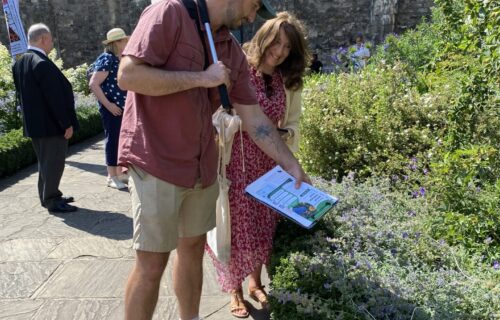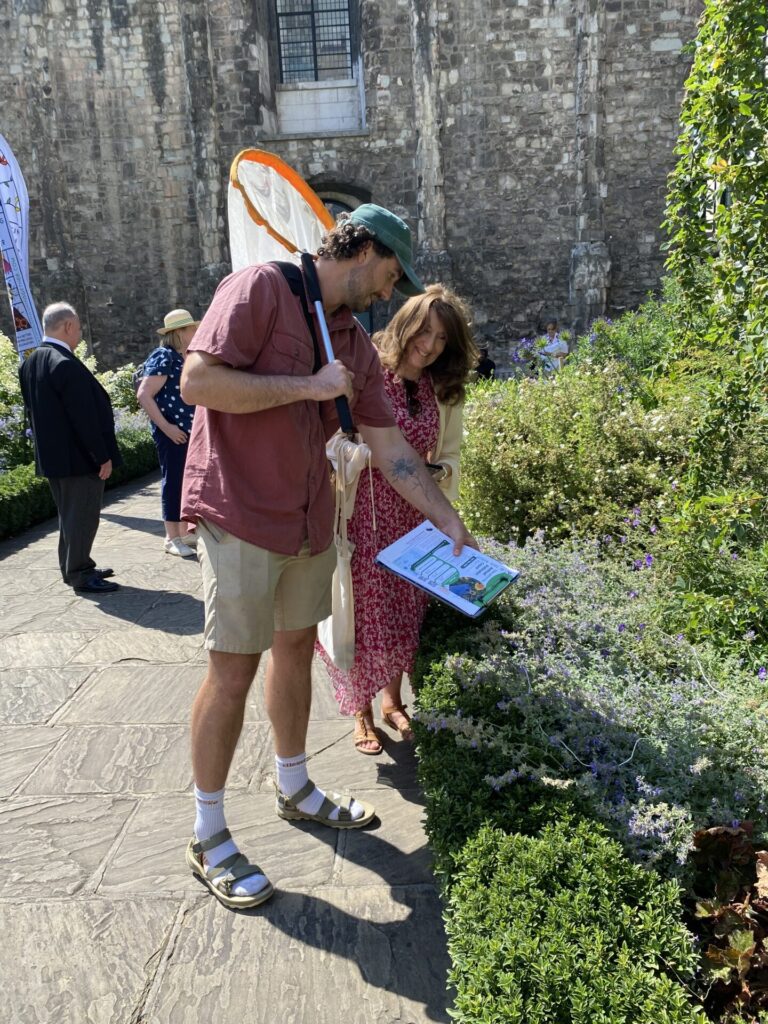
On Monday 13th July, PLT held its Annual Pollinator Count: a day dedicated to recording and observing the insects that pollinate our plants, including bees, butterflies, moths, hoverflies and other pollinating insects across the City of London. We were lucky to have beautiful weather for the day, which made it a brilliant opportunity for people to get outside, slow down, and take a closer look at the pollinators using the City’s green spaces. Across the day, participants carried out Flower-Insect Timed Counts, helping to build a better picture of which insects are visiting flowers in different locations.
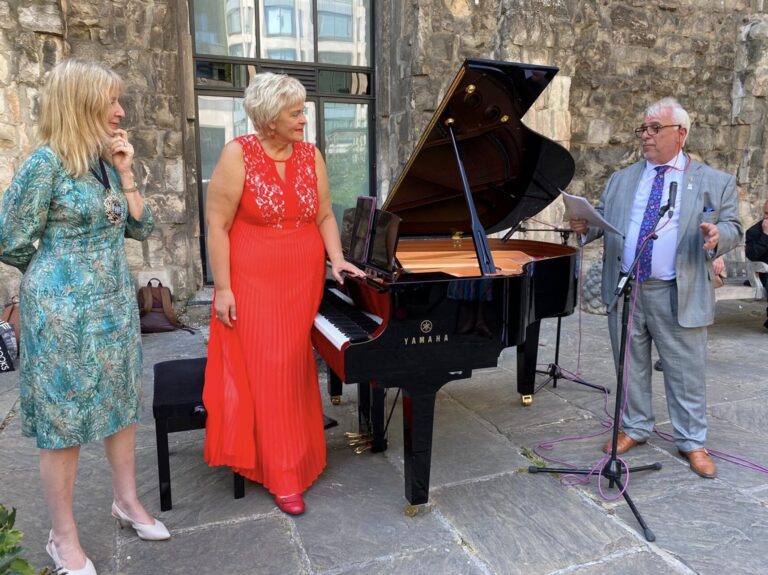
Our team was based at several sites throughout the day, including Christchurch Greyfriars Church Garden, St Paul’s Festival Garden and Inner Temple Garden, where we were on hand to support anyone taking part. It was lovely to see so many interested people stop, ask questions, and take time to notice the insects around them. We were especially pleased to be joined by the Lady Mayor, who took part in surveying at Christchurch Greyfriars. Her visit was accompanied by a wonderful piano performance by Yekaterina Lebedeva. The Annual Pollinator Count is about more than collecting records. It is also about encouraging people to connect with nature and recognise the importance of pollinators. FIT Counts are a simple but valuable way for people to contribute to pollinator monitoring, while also learning more about the diversity of insects that share our city.
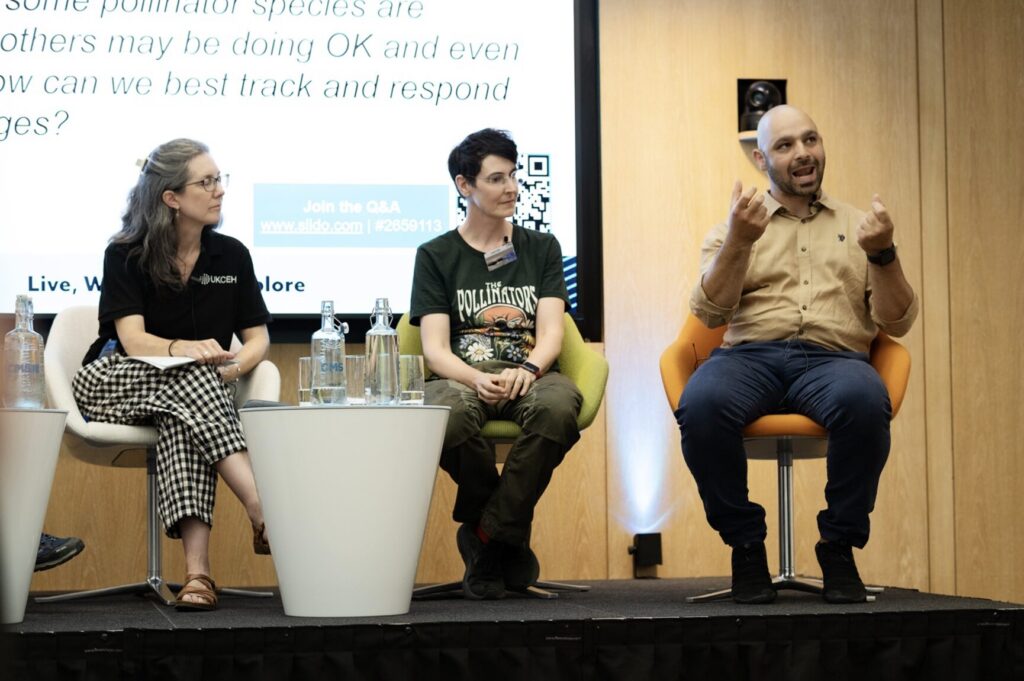
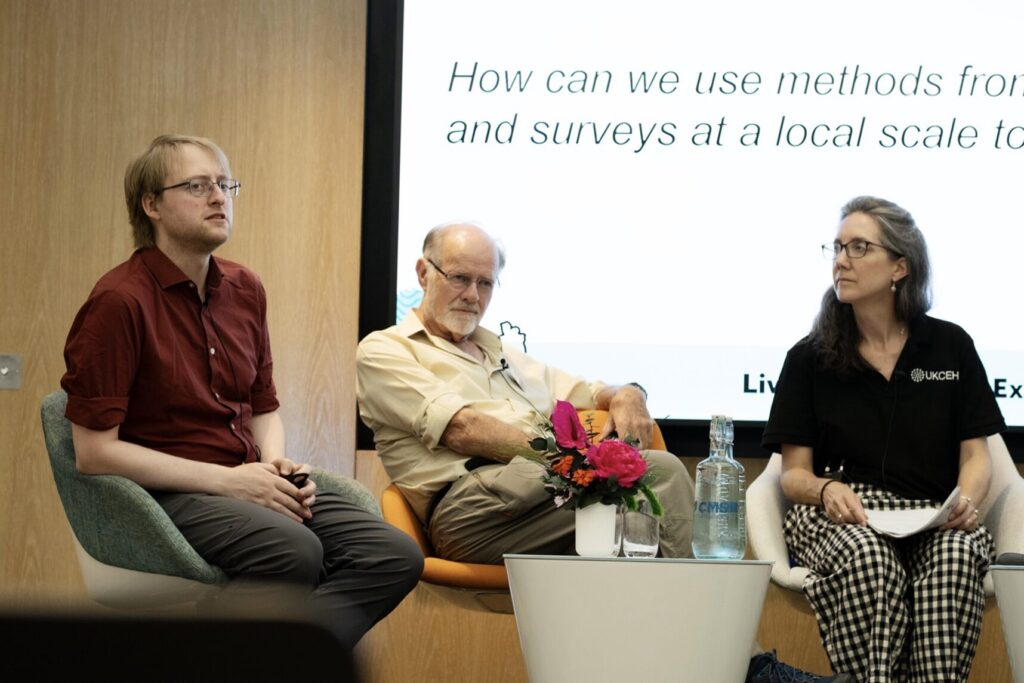
Alongside the count, the day also created space for a seminar on Data and Pollinators: Evidence for Action, exploring how better data can support practical action for pollinators in urban environments such as the Square Mile and central London. Rowan and Mike Edwards from BWARS reflected on the challenges of collecting pollinator data, particularly abundance data. They discussed how various factors such as weather, temperature, and others can all influence what is recorded. These challenges are real, but the conclusion was clear: abundance data is still valuable when collected carefully and interpreted with the right context.
Dr Claire Carvell from the UK Centre for Ecology & Hydrology spoke about national pollinator monitoring efforts, including the Pollinator Monitoring Scheme and FIT Counts. These schemes rely on volunteer recorders to help build a clearer picture of pollinator populations across the UK, allowing useful data to be gathered from many more places than experts alone could cover.
We also heard about the Clerkenwell Pollinator Path, a fantastic community project connecting 15 green spaces through pollinator-friendly planting and habitat creation. The project showed how urban nature recovery can bring people together as well as supporting insects, with local communities helping to create more connected habitats across Clerkenwell.