

Plants for Urban Pollinators
Enhancing green spaces in London where all natural pollinators can thrive, and their habitats can be enjoyed by all.
Plants for Urban Pollinators
Overview
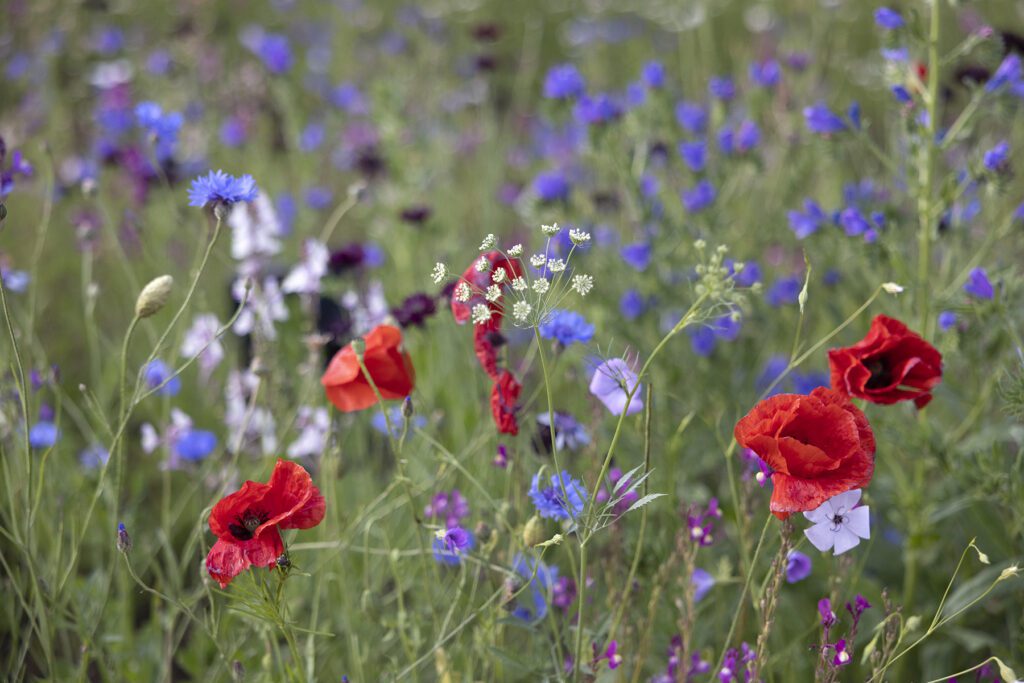
The right plants can transform any urban space into a valuable pollinator resource. Choosing diverse, nectar-rich species ensures that pollinators have food throughout the growing season and supports a wide range of species — not just one type of insect.
Best Types of Plants
- Native wildflowers — co-evolved with UK pollinators and typically offering the best ecological value
- Flowering herbs, particularly species rather than highly bred cultivars
- Single-flowered varieties — not double blooms, which obstruct pollen and nectar
- Long-flowering perennials that provide value across multiple weeks or months
- Late-season nectar plants to support pollinators building energy reserves before winter
Top Urban Pollinator Plants
- Lavender (Lavandula angustifolia)
- Common knapweed (Centaurea nigra)
- Scabious (Scabiosa columbaria or field scabious Knautia arvensis)
- Catmint (Nepeta species)
- Verbena bonariensis (tall verbena)
- Wild thyme (Thymus polytrichus) or garden thyme (Thymus vulgaris)
- Sedum / ice plant (Hylotelephium spectabile)
- Wild marjoram (Origanum vulgare) — one of the most consistently high-value plants for a wide range of bees and butterflies. Choose the species or straight cultivars rather than highly ornamental forms.
- Foxglove (Digitalis purpurea) — a biennial, meaning it flowers in its second year then sets seed and dies. It self-seeds freely if seed heads are left, making it a reliable long-term presence. Excellent for long-tongued bumblebees.
- Red clover (Trifolium pratense)
Seasonal Planting Guide
Early season (February–April): Species crocus (e.g. Crocus tommasinianus, Crocus vernus), primrose (Primula vulgaris), lungwort (Pulmonaria), willow catkins, hazel catkins, fruit tree blossom
Mid season (May–August): Lavender, scabious, wild thyme, wild marjoram, catmint, foxglove, red clover, Verbena bonariensis, knapweed
Late season (September–November): Sedum / ice plant, ivy (Hedera helix), asters
Providing flowers across all seasons is more valuable than having many plants blooming simultaneously. The gaps — particularly very early spring and late autumn — are when support matters most.
Plants to Avoid
- Highly bred double-flowered varieties — extra petals obstruct or eliminate access to nectar and pollen
- Known invasive species — for example, Buddleja davidii (butterfly bush) can spread aggressively from garden settings; seek sterile cultivars if you wish to plant it
- Plants treated with systemic pesticides — systemic pesticides are absorbed into the plant’s tissues and can appear in the pollen and nectar, potentially harming pollinators even long after the plant was treated. When buying plants from garden centres, look for plants labelled ‘pollinator safe’ or grown without systemic pesticide treatment.
Planting Tips
- Plant in groups of three or more for greater visibility to passing insects
- Mix flower colours and shapes to support species with different needs
- Include plants of different heights to create structural variety
- Choose drought-tolerant species for exposed, south-facing or hard-landscaped sites
Benefits of Good Plant Choices
- Supports a wider range of pollinator species throughout the season
- Increases resilience of urban pollinator populations
- Often reduces long-term maintenance compared to high-input ornamental planting
- Improves the visual appeal and ecological interest of urban spaces