World Earth Day 2024
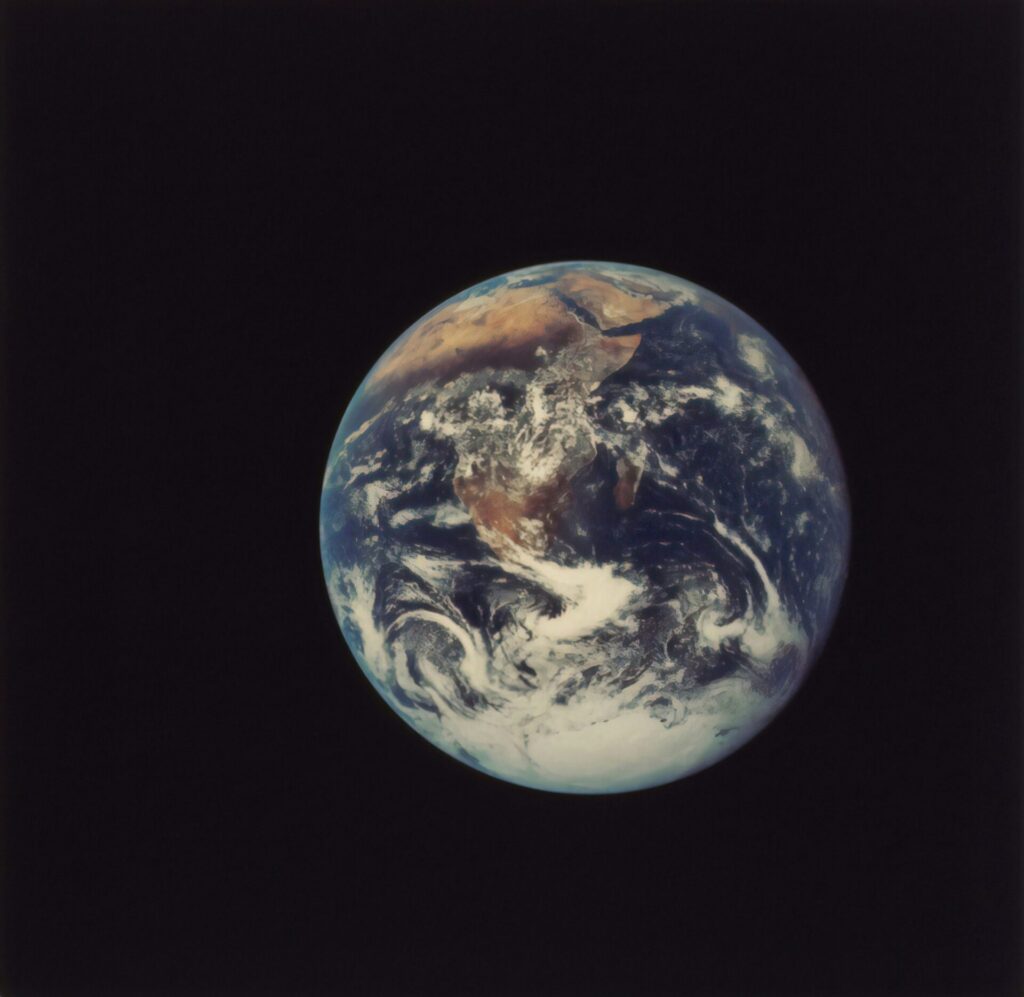
World Earth Day is an annual event in the calendar that encourages and demonstrates support for international environmental protection. Not only does World Earth Day encourage environmental protection, but it also celebrates the achievements made to protect our Earth and its inhabitants. This year on the 22nd April, we encourage others to join in on celebrating the environment.
The first ever Earth Day took place on the 22nd April 1970. It initially started when a United States senator organised a national demonstration in support of environmental protection, raising awareness of environmental issues – it worked so well that by the end of 1970, the US government formed the Environmental Protection Agency.
This year World Earth Day focuses on the Planet vs. Plastics. Earth Day is committed to ending global plastics use, demanding a 60% reduction in the production of all plastics by 2040. Plastic pollution can alter natural processes, reducing an ecosystems resilience and ability to adapt to changing circumstances such as climate change, affecting lives, food production and wellbeing.
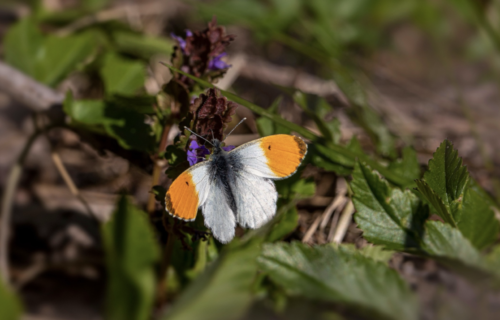
So, you may wonder how does plastic pollution affect pollinators? Research suggests that microplastics are having adverse effects on plant-pollinator interactions, lowering the chance of successful pollination. Without successful pollination by insects – food production will decrease as plants will not produce fruits directly impacting people’s livelihoods, especially those who rely on growing their own food. It is thought that nanoplastics and microplastics share a similar size to pollen grains and therefore are easily transported by pollinating insects. By mimicking pollen – these plastics obstruct the process of pollination, which could have catastrophic effects on food production, and ecosystem function. Studies have also found microplastics to be carried in the digestive systems of some bee species causing concerns as to how this may affect their survival in the long-term.
Pollinators are already facing huge declines in their populations – challenges like pesticide use, agricultural intensification, climate change, habitat loss and fragmentation are all contributing to their fast decline. Our recent report on urban pollinators across the City of London reflects these trends. So, what can we do to help them this World Earth Day?
Reduce, Reuse and Recycle – It’s important wherever we can to reduce our reliance on plastics as this will help pollinators and the environment going forward. Try avoiding single-use plastic bottles and where possible ensure plastics are disposed of correctly. Did you know that one million plastic bottles are purchased worldwide every minute? Another way to help is to organise a community clean up – whether you do this solo or as a group, pick up some litter and dispose of it appropriately. This will help the entire ecosystem including pollinators!
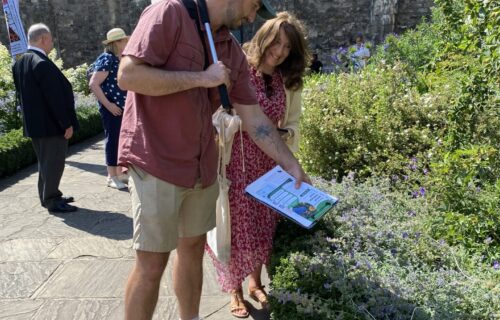
Lastly, getting involved in a Flower-Insect Timed Count (Pollinator FIT count) will help us garner a better understanding of how pollinator populations are doing. From this we ca gather information on how best to support them. Providing high-quality habitat in the form of wildflowers, food and nesting materials or even just a bee or bug hotel will help support pollinators in a world that provides them with so many challenges. It is more important than ever to protect the planet, help combat plastic pollution and help pollinators!
Happy World Earth Day!