FOUNDATIONS

Enhancing green spaces in London where all natural pollinators can thrive, and their habitats can be enjoyed by all.​

Foundations

Understanding Urban Pollinators

Urban pollinator conservation begins with understanding.

The Foundations section explores the ecological principles behind pollinator health in cities, from species diversity and habitat use to floral resources and seasonal dynamics. These articles provide the scientific context needed to understand why pollinators decline, how they adapt to urban landscapes, and what conditions allow them to thrive.

Whether you are new to the subject or deepening your expertise, this section builds the ecological groundwork for informed action.

Pollinators in Urban Environments

Bee Hotel

Cities may seem unlikely places for wildlife, but urban environments can support a surprising diversity of pollinators — from solitary bees to hoverflies and butterflies. With the right planting and habitats, cities can even outperform intensively farmed agricultural areas in terms of pollinator species richness and abundance.

Urban Pollinators Species Guide

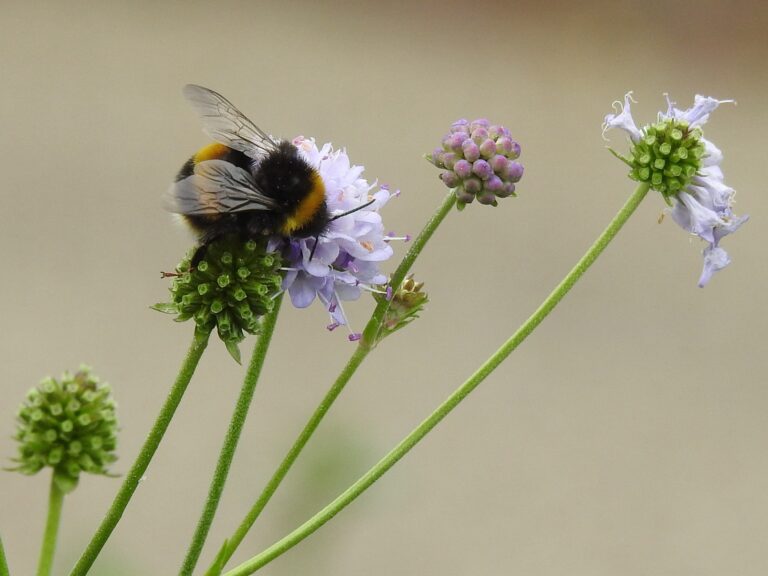
Bumblebee gathering pollen.

Cities host a surprising diversity of pollinator species. Recognising common urban pollinators helps people understand which species they are supporting and why habitat diversity is important.

How Pollinators Use Cities

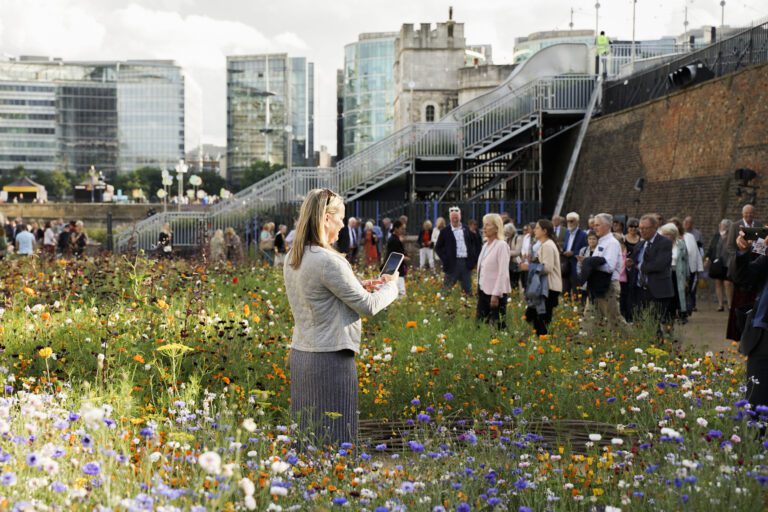
Person standing in a field of wild flowers at Superbloom Tower of London

Urban environments may appear artificial, but many pollinators adapt remarkably well to city life. Understanding how pollinators move, feed and nest in urban landscapes helps us design spaces that genuinely support their survival.

Research & Best Practice

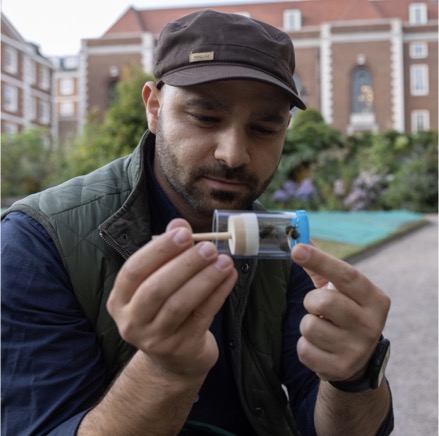
Pollinator being examined by researcher

Effective pollinator conservation depends on evidence-based decisions. Research helps identify which habitats, plants and management practices genuinely benefit pollinators, ensuring that conservation efforts deliver measurable results.

Why Plant Diversity Matters for Pollinators

Monoculture is the agricultural practice of growing a single crop across large areas. It is widely used in modern farming because it simplifies planting, harvesting and pest management. Machinery and supply chains are often designed around this efficiency.

Pollinator-Friendly Trees & Shrubs for Urban Sites

Gardens with wild flowers

Urban pollinators require continuous access to nectar and pollen from early spring through autumn. This guide highlights trees and shrubs suitable for urban environments, with an emphasis on species that support wild pollinators. Where possible, native species are prioritised.

Trees for Pollinators

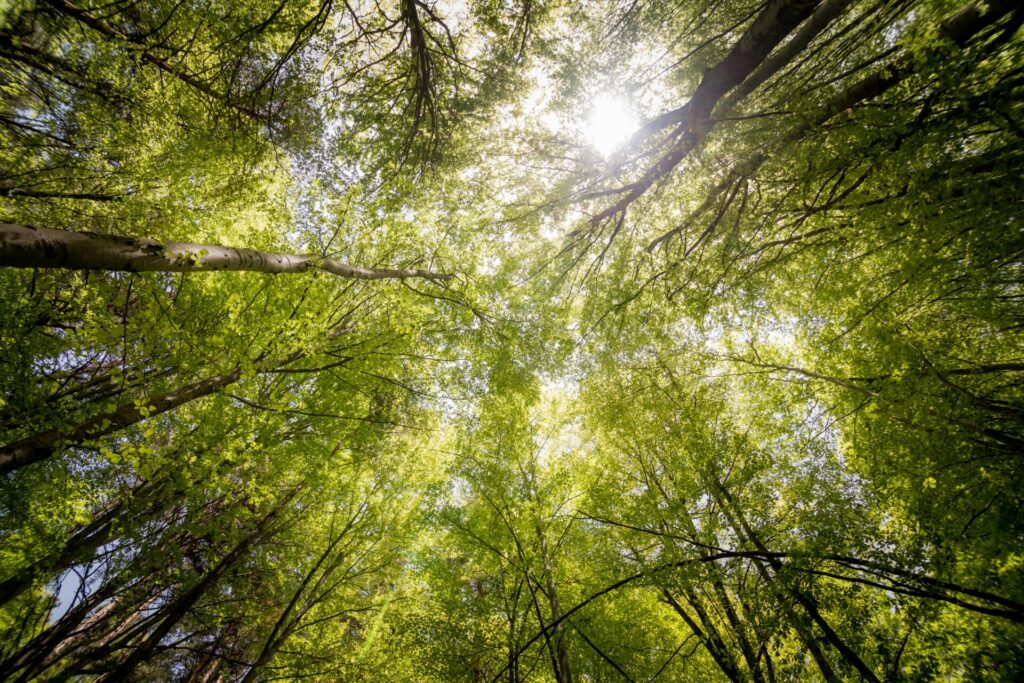
Looking up through the tree canopy

When supporting pollinators, people often think of wildflowers or herbaceous garden plants. Trees are frequently overlooked. Yet trees are among the most important nectar and pollen sources in both rural and urban environments.

Urban Biodiversity - Myths & Facts

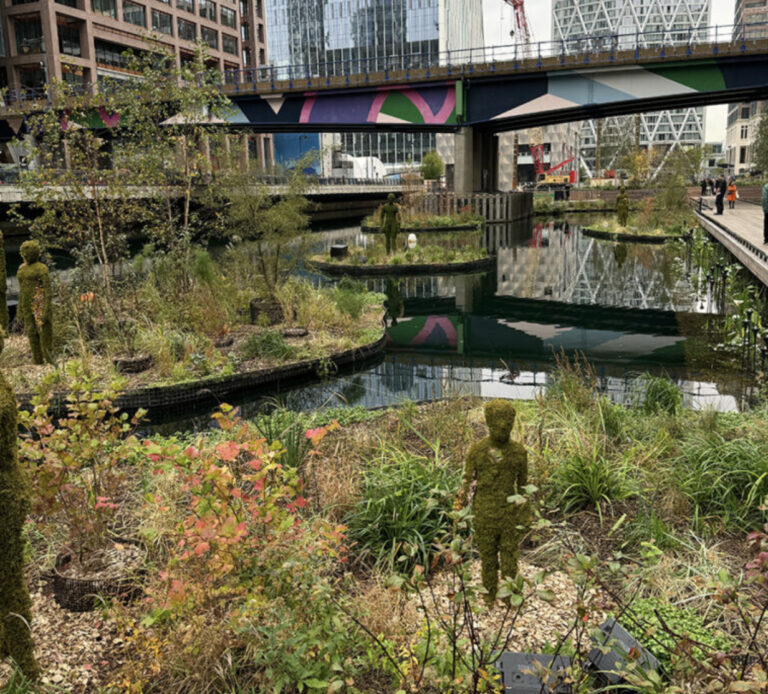
Wild flowers at Canary Wharf

Misconceptions about pollinators and urban biodiversity often lead to well-intentioned but ineffective actions. Understanding the science helps people make choices that truly support wildlife.

Pollinators & Biodiversity FAQs

Our FAQ compilation. Please contact us if you have any questions not covered in this section.

Our Position on Honeybees in Cities

At Pollinating London Together, we support a diverse, thriving ecosystem of wild, native pollinators across the UK’s cities. While honeybees are often seen as a symbol of environmental action, they are not at risk of extinction — and in urban areas, an excess of managed honeybee hives can unintentionally cause harm to the species that genuinely need our help.

FAQ Honeybees

Our honeybee FAQ compilation.

Pollinator & Habitat Video Series

Bee by Karen Smith

PLT produced a six-part video series on pollinators and their habitats: Your City Needs You, David Domoney’s Five Star Plant Menu for Hungry Pollinators, Creative Thinking About The City’s Natural Capital, How Our Institutions are Greening our City and What You Can Do.

City of London Briefings

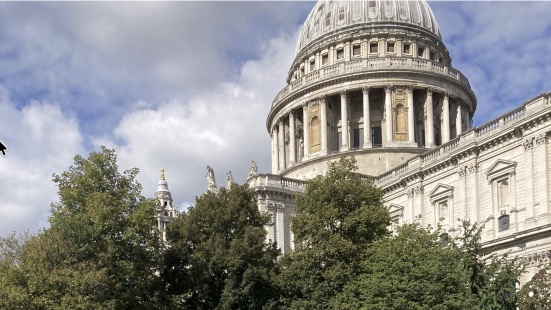
City Briefings view of St Paul's Cathedral

The International Association of Horticultural Producers (AIPH) is a member association consisting of thousands of growers of flowers and ornamental plants from around the world. They are united by one essential goal – promoting the place of plants in people’s lives. A series of eight, one-hour webinars.