PLANNING & STRATEGY
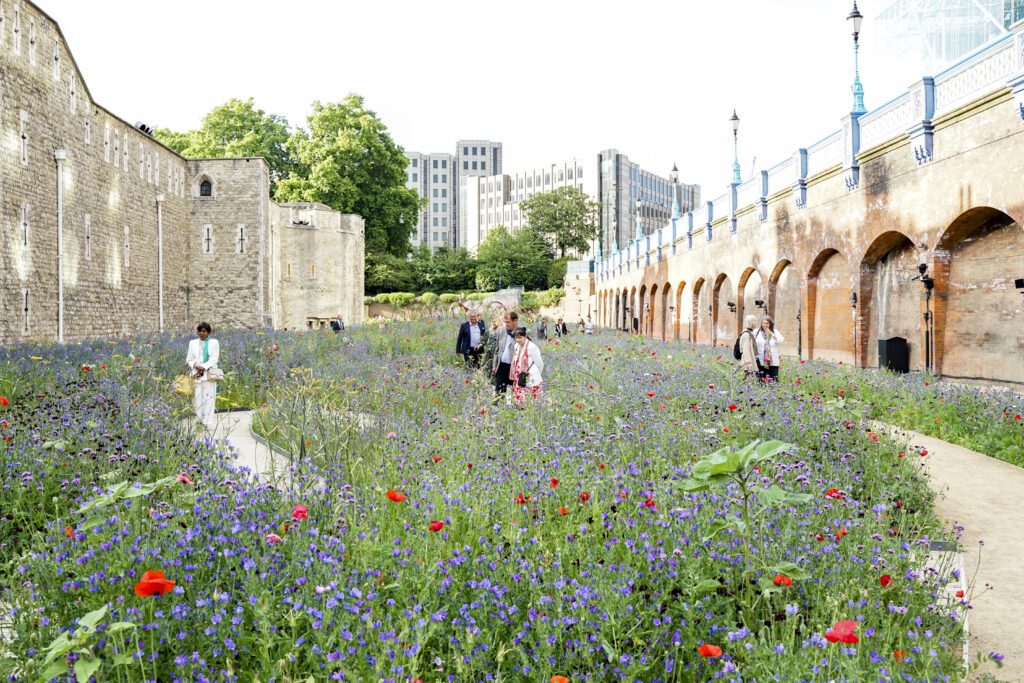
Enhancing green spaces in London where all natural pollinators can thrive, and their habitats can be enjoyed by all.
Planning & Strategy
Designing Cities That Work for Nature
Supporting pollinators requires thoughtful planning.
This section explores how planting design, green infrastructure, biodiversity policy, habitat connectivity and site management influence urban ecosystems. From tree selection to pollinator pathways, these articles translate ecological science into practical strategy for planners, landowners, designers and decision-makers.
Evidence-based design creates resilient cities — for people and pollinators alike.
Urban Pollinators Pathways
Pollinator pathways are linked routes of habitat that allow pollinators to move safely across cities. Without these connections, pollinators become isolated, reducing their ability to feed, nest and reproduce — and over time, local populations decline and disappear. Building and maintaining connected habitat networks is one of the most impactful strategic actions available to planners, councils and landowners.
Valuing the Importance of Urban Green Spaces
Cities face two interconnected global emergencies: climate change and biodiversity loss. Urban green spaces are one of the few interventions that can address both simultaneously — while also delivering measurable benefits for human health and wellbeing. Understanding the full range of these benefits is essential for making the case for green space investment to decision-makers, developers and funders.
Urban Planting Schemes by Habitat Type
Different urban spaces require fundamentally different planting approaches. Matching plant species to the actual conditions of a site — light levels, soil moisture, substrate depth, exposure — produces healthier plants, lower maintenance requirements and significantly better outcomes for pollinators. This guide outlines recommended species for the main habitat types found in urban environments.
Corporate and Landowner Guide - Quick Wins
Corporate courtyards, terraces, car parks and roof spaces represent a substantial and largely underutilised area of urban land. When designed with pollinators in mind, these spaces can become valuable habitat patches that contribute to the wider urban pollinator network.
Strategic Habitat Management Guide for Land Managers
Land managers, planners and organisations with responsibility for significant areas of urban or peri-urban land can make some of the most substantial contributions to urban biodiversity. Strategic habitat design — combined with consistent, evidence-based management — can dramatically increase pollinator populations and the wider biodiversity that depends on them.
How Councils Can Support Pollinators
Local authorities play one of the most important roles in protecting and restoring urban biodiversity. Council-managed land — parks, verges, housing estates, cemeteries, allotments and public spaces — collectively represents one of the largest land management decisions in any urban area. When managed strategically, this land can become a powerful network of pollinator habitat.