

Family Pollinator Engagement Day
Enhancing green spaces in London where all natural pollinators can thrive, and their habitats can be enjoyed by all.
Family Pollinator Engagement Day: Museum of Water & Steam
Bringing Urban Biodiversity to Families in West London
Pollinating London Together partnered with the London Museum of Water & Steam in Brentford to deliver a full-day programme of pollinator-themed activities for families during the May bank holiday.
The event combined education, citizen science and hands-on habitat creation to inspire the next generation of pollinator advocates.
The Aim
The programme was designed to:
- increase public understanding of pollinators
- demonstrate their role in food systems
- provide practical ways families can help
- contribute local monitoring data
- encourage long-term behaviour change
Activities Delivered
Pollinator Education Game
Our pollinator ecologist, Dr Konstantinos Tsiolis, led an interactive activity demonstrating how everyday foods depend on insect pollination.
Participants discovered that products such as:
- strawberries
- apples
- vanilla
- chocolate
- coffee
- certain spices
rely heavily on pollinators.
This activity helped connect biodiversity with daily life.
Citizen Science: FIT Counts
Visitors participated in Flower-Insect Timed (FIT) Counts within the museum’s pollinator-friendly garden.
This contributed:
- real monitoring data
- increased awareness of insect diversity
- first-hand understanding of pollinator behaviour
Citizen science activities help build both data and public ownership of biodiversity protection.
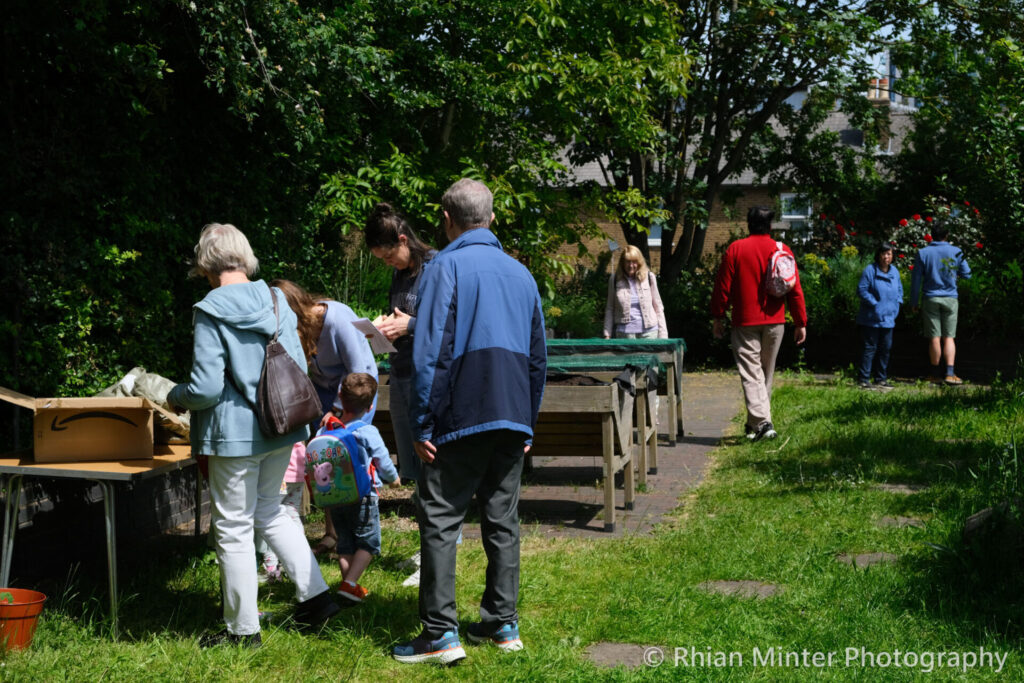
Bee Hotel Construction
Children created bee hotels to take home, designed to support solitary bee species.
This practical activity:
- reinforced habitat awareness
- supported wild pollinators
- extended impact beyond the event
- encouraged pollinator-friendly planting at home
Impact Summary
- Public museum partnership
- Family engagement across generations
- Citizen science participation
- Habitat creation activity
- Increased awareness of pollinator-food link
- Geographic reach beyond central London