February Garden Prep
It is easy to look out at your garden in February and see only the miserable side of the season. The sky is often grey, the ground feels waterlogged, and most trees are bare. It can feel like nothing is happening. In reality, Spring is already on its way, and this month is an important time to prepare your space for pollinators and other critters.
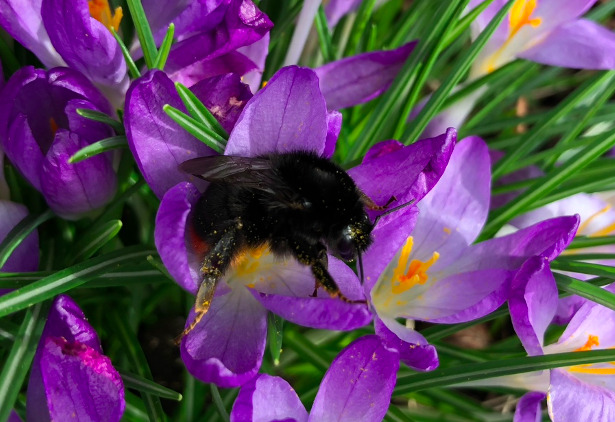
If you look closely, you will already see signs of life. Spring flowering bulbs are beginning to push through the soil, and these early flowers are an important food source for queen bumblebees emerging, early nectar sources such as snowdrops can be a lifeline. Snowdrops cope well with winter shade and provide a crucial first meal as queens search for nesting sites. Willow trees are just as important. Their catkins produce large amounts of pollen, which may be unwelcome for hay fever sufferers but is essential food for many pollinators. Pollen is the main protein source for many pollinating insect larvae, and without it, new colonies cannot get started and solitary bees struggle to provide food for their offspring.
Trees
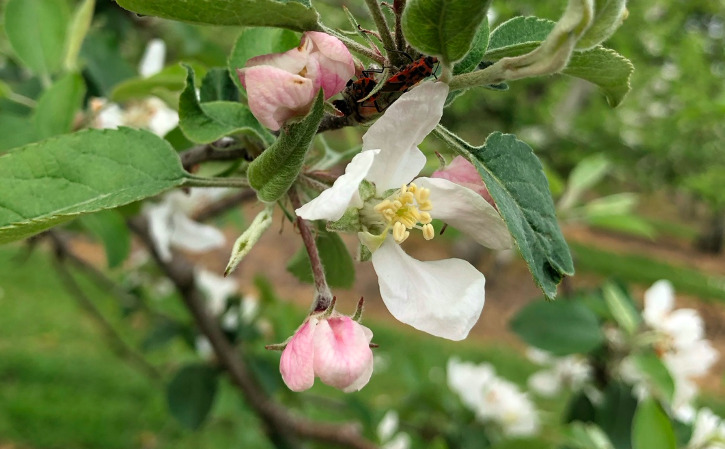
February is also an excellent time to think about trees. Winter is the best season to plant them because they are dormant, which means bare-root trees are widely available. These are much cheaper than potted trees later in the year and establish well when planted now, with time to settle their roots before summer heat arrives. If you already have trees, this is a good moment for a bit of seasonal care. Pruning in late winter helps improve air flow through the canopy, reduces the risk of disease, and makes fruit trees easier to manage later in the year.
Bee Banks
One area that is often overlooked in pollinator gardening is nesting habitat. There is a common belief that wooden bee hotels are the end-all and be-all, but most of the UK’s wild bee species nest in the ground. Without patches of bare, undisturbed soil, these bees simply have nowhere to go. February is an ideal time to create a bee bank. This is a small mound of sandy soil where ground-nesting bees can dig their nests. It does not need to be huge, around one square metre works well, but the sky is the limit if you’ve got the space. Aim for a soil depth of roughly 40 centimetres using a sandy loam. Detailed, practical guidance can be found in the City of London’s “Guidance for Pollinators 2025” website.
If you already have a bee bank, think of February as a maintenance window. Carefully remove some of the encroaching vegetation by hand so that patches of bare soil remain visible. It is best not to clear everything at once as to reduce disturbance to any bees already present.
The work may be cold, and the garden may still look dull for a few weeks yet. By putting in this effort now, you are giving pollinators exactly what they need to thrive when the sun finally returns and the growing season truly begins again.