As March arrived, the first signs of spring begin to appear. The days are getting longer, temperatures are slowly rising, and flowers are starting to open. With them come some of the first pollinators of the year. Among the earliest insects you’re likely to notice in gardens and green spaces are bumblebee queens. These large bees have spent the winter hibernating underground or in sheltered places, and early spring is when they emerge to begin the important work of founding new colonies.
There are 25 species of bumblebee in the UK, but around seven are commonly seen in gardens: Bombus lucorum, B. terrestris, B. hortorum, B. hypnorum, B. pratorum, B. lapidarius, and B. pascuorum. Although they all belong to the same genus, these species can look quite different from one another. In many cases, the colour of their markings helps tell them apart. Some species also have differences between males and workers or queens, while others look very similar across castes. For example, buff-tailed bumblebee (B. terrestris) males and females are quite alike in appearance. Bumblebees also vary in size. Even within a single colony there can be a noticeable range in body size among workers once the colony is established.
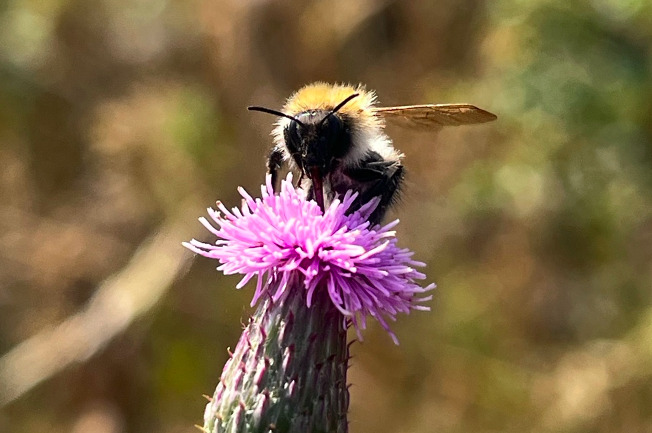
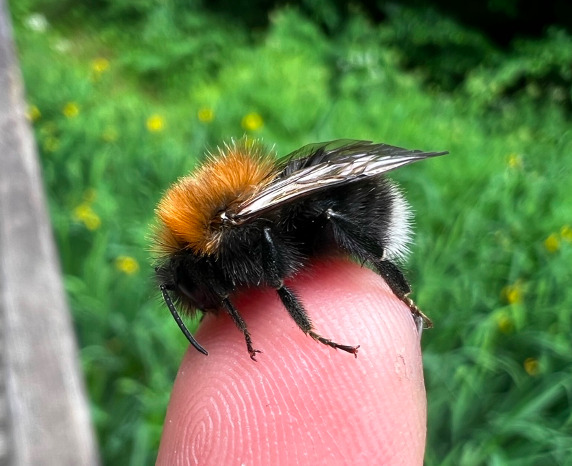
Different bumblebee species also have different feeding preferences, shaped by the length of their tongues. The garden bumblebee (B. hortorum) has the longest tongue of the UK bee species. This allows it to access nectar from deep flowers, such as foxgloves and comfrey. Gardens and green spaces that include these plants can therefore be particularly attractive to this species. The tree bumblebee (B. hypnorum) is a relatively recent arrival in the UK. It often nests above ground, sometimes using places like bird boxes. This habit of nesting close to people gets them the reputation of being aggressive, which is not really accurate. Tree bumblebees have shorter tongues, so they typically prefer shallower flowers, such as those of raspberry or blackberry plants. That said, they may still visit deeper flowers like comfrey. When they do, they may ‘nectar rob’, chewing a hole near the base of the flower to access the nectar directly rather than entering the flower through its opening. While this allows the bee to feed, it bypasses the plant’s pollination mechanism and therefore doesn’t benefit the plant.
Bumblebee life cycles can also differ between species. Most species in the UK can produce multiple generations in a single year, especially in the warmer south. Queens establish new colonies within the same season rather than waiting until the following year. If one generation is produced per year, new queens late in the season then hibernate through the winter before starting colonies the following spring. As spring progresses, keep an eye out for these busy queens searching for flowers and suitable nesting sites. The bumblebees you see now are the founders of the colonies that will pollinate plants throughout the coming months.