As autumn settles in and temperatures begin to drop, it can be tempting to tidy the garden before winter arrives. But for pollinators, fallen leaves, hollow stems and decaying wood can be valuable resources as well. A few simple changes now can help wildlife survive the colder months and give your garden a head start next spring.
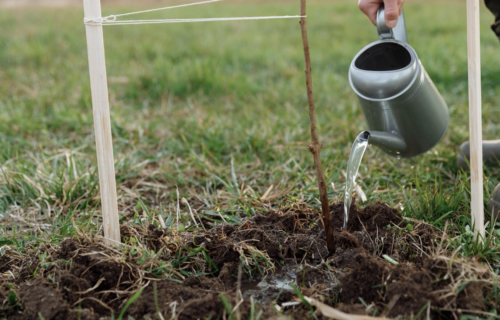
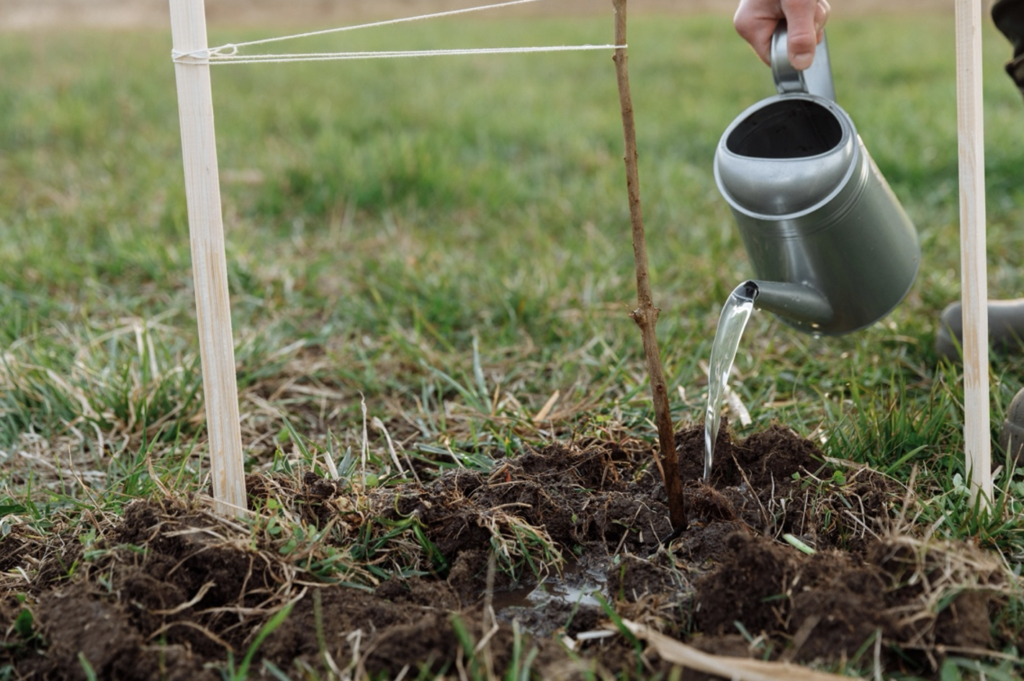
Autumn is the time to plant trees, particularly between October and early spring when trees are dormant. Planting now gives roots time to establish before the demands of summer growth, provided the ground is not frozen or waterlogged. Trees are an important source of nectar and pollen, particularly early in the year when flowering herbs are scarce. Willow is especially valuable for emerging bees, including specialist mining bees such as Clarke’s mining bee (Andrena clarkella), which collects pollen primarily from willow. Hazel and alder produce catkins that release pollen and can provide food for early-season insects, including some hoverflies.
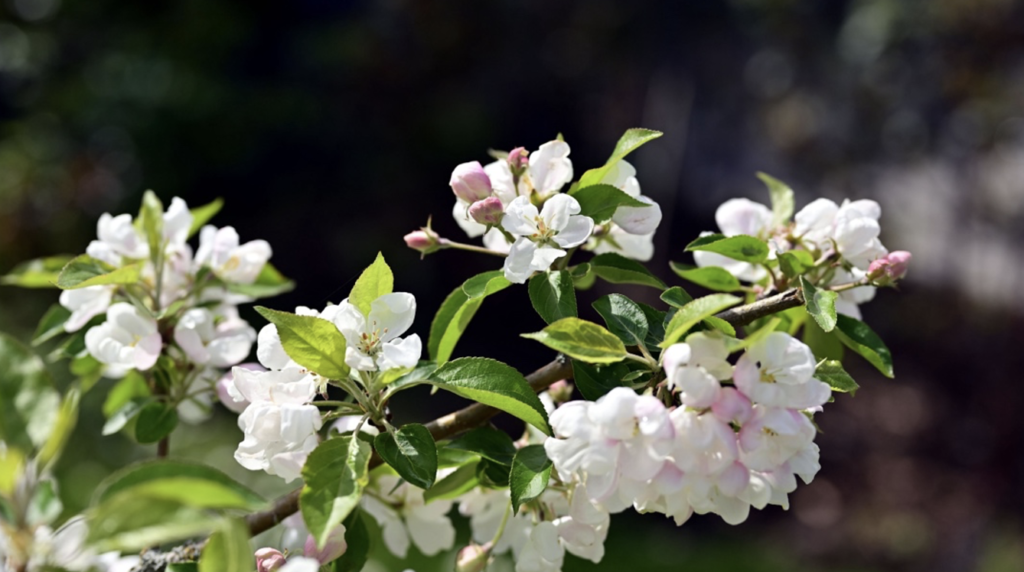
Fruit trees such as (crab) apple and cherry are excellent choices for gardens, excellent food sources in spring. For those with more space, native trees such as oak are a great option. Oak pollen is an important resource for the oak mining bee (Andrena ferox), a specialist species found mainly in southern England. Choose a tree suited to your garden’s space and soil, and consider flowering times when selecting species. A variety of trees and shrubs can help provide resources across the seasons. Autumn is also the time to plant spring-flowering bulbs. Snowdrops, crocuses and grape hyacinths can provide valuable early-season forage for bees emerging from winter. Planting a range of species helps extend the period over which flowers are available.
Resist the urge to cut everything back, too. Where possible, leave some flower stems and seedheads standing over winter. Besides providing structure and shelter, hollow or pithy stems can offer nesting or overwintering sites for insects. You can still prune plants where necessary, but leaving some areas undisturbed gives wildlife more options.
Leave a little mess for wildlife. Pollinators survive winter in different ways. Honeybees remain in their colonies, relying on stored food to generate warmth and survive until spring. Most bumblebee colonies die off towards the end of the year, while new queens seek sheltered places to hibernate, such as abandoned rodent burrows. Some solitary bees spend winter as a prepupa inside their nests, while others overwinter as fully developed adults. Hoverflies also have varied life cycles, and on sunny winter days you may even spot a Meliscaeva auricollis adult that has emerged from hibernation before they’re supposed to.
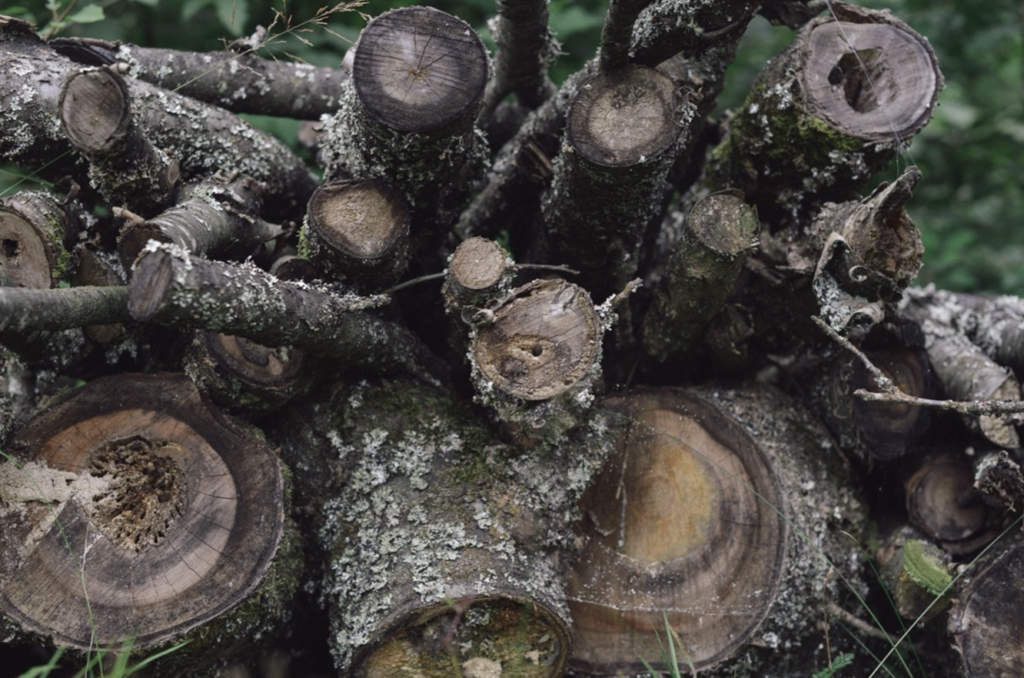
To help them, leave a layer of fallen leaves beneath hedges or in quiet corners, and consider creating a log pile in a sheltered spot. If you need to remove a tree, leaving its stump to decay naturally can provide habitat for insects and other wildlife. Some hoverfly larvae also develop in decaying organic matter or water-filled tree holes. These small changes can make a real difference. A garden that looks a little untidy to us may be full of places for wildlife to shelter, develop and survive until warmer weather returns. This winter, leave a little room for nature.