Pollinator Netting with CMS at Festival Gardens, St Paul’s
In the heart of London, nestled among the towering structures of the city, lies an oasis of biodiversity— St Paul’s Festival Gardens. This hidden gem of a garden, brimming with flowers and greenery, is not just a beautiful escape from the urban sprawl. It’s a critical habitat for London’s pollinators, the tiny creatures that keep the city’s plant life thriving. Pollinating London Together (PLT), were recently joined by one of our corporate members, CMS, for an exciting morning of pollinator netting and identification.
Why Pollinators Are Vital to London’s Green Spaces
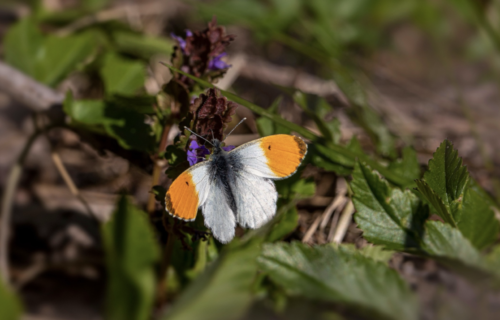
Pollinators like bees, butterflies, and hoverflies play a key role in maintaining biodiversity. They transfer pollen from one plant to another, enabling the reproduction of flowers, fruits, and vegetables. In London, where urban development continues to shrink natural habitats, protecting these essential insects is more important than ever.
Without pollinators, the gardens and green spaces we cherish would not be as vibrant or healthy. That’s why we’ve teamed up with CMS to engage corporate members in conservation activities like pollinator netting and identification. This hands-on experience not only helps gather critical data but also raises awareness about the significance of pollinators in urban environments.
The Festival Gardens: An Urban Haven for Pollinators
Festival Gardens at St Paul’s, located in the bustling City of London, is more than just a picturesque space. The garden has been carefully designed with pollinators in mind, featuring a variety of native plants that attract and support a diverse range of insects.
As we arrived with the team from CMS, the vibrant wildflowers, blooming shrubs, and patches of grasses provided a good habitat for pollinators.
Getting Started with Pollinator Netting
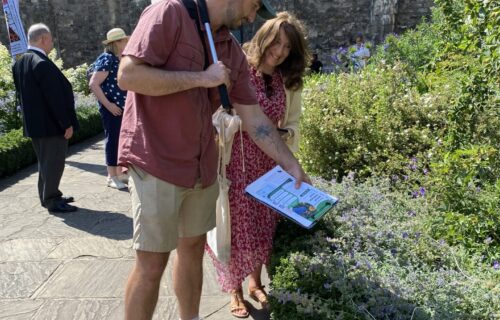
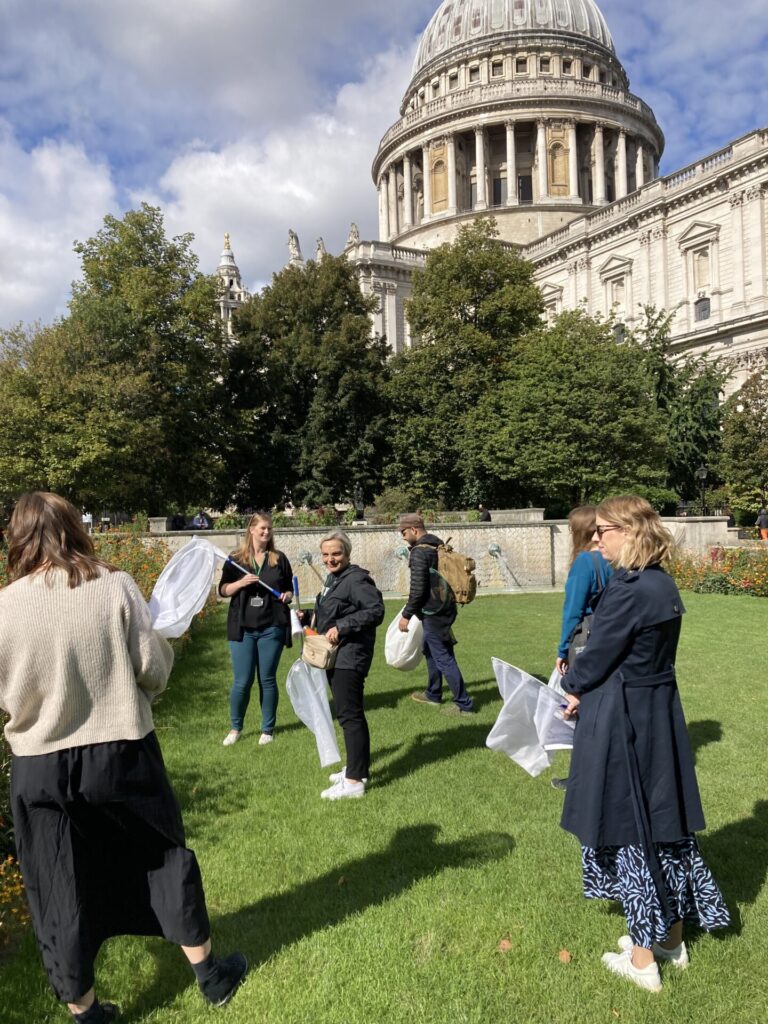
We started off with a discussing the importance of pollinators with CMS and the importance of pollinator monitoring and the methodology behind pollinator netting. Equipped with insect nets and supported by Dr Heather Barrett-Mold and pollinator expert Dr Konstantinos Tsiolis, we went on the search for pollinators. The aim was to make a targeted sweep to capture pollinators for identification.
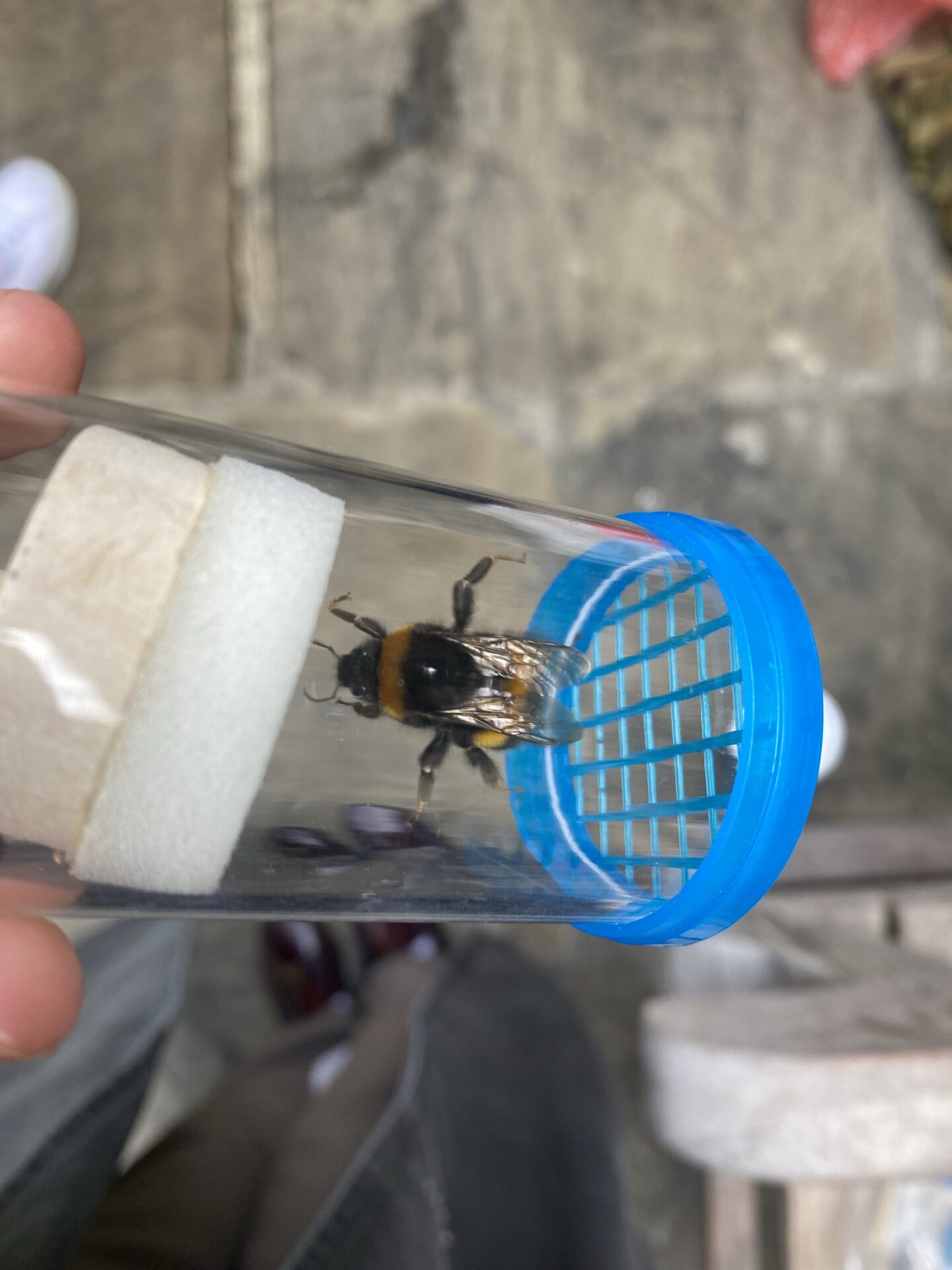
We moved through the garden, carefully sweeping our nets and examining the insects that landed on flowers. Every catch brought a new discovery, from very small bees to a Queen bumble bee.
Identifying the Pollinators of London
We shared finds as we went, learning about each different insect.
We discussed and learnt that not all bees are the same—there are over 250 species of bees in the UK. We identified different species of bumblebees, which are social insects, as well as solitary bees which can often be spotted nesting in small holes in walls or the ground.
The Importance of Citizen Science and Corporate Involvement
Participating in pollinator netting and identification with CMS wasn’t just a fun day out in nature—it was a chance to contribute to something larger. With netting, data can be gathered and used by conservation organisations like PLT to track the health of pollinator populations in London. This kind of citizen science is vital for understanding how urban environments are impacting wildlife, and how we can better protect it.
Corporate involvement, like the partnership between CMS and our conservation efforts, is key to scaling these initiatives. By engaging corporate members in activities like pollinator netting, we can raise awareness about the importance of biodiversity in urban spaces while actively contributing to conservation goals.
A Shared Responsibility to Pollinate London
As we wrapped up at Festival Gardens, releasing the pollinators we had netted back into the garden, CMS participants shared how much they had enjoyed the morning, how much they had learned about pollinators and how they were planning to make changes to their own planting at home.
Corporate engagement and netting is more than just an event—it’s a sharing the responsibility. Whether it is corporate members, volunteers, or simply nature enthusiasts, we all have a role to play in protecting and promoting biodiversity in our city.
The experience at Festival Gardens was a reminder that even in the heart of one of the world’s busiest cities, nature is thriving—and with a little help, it can continue to do so. Through initiatives like these, we’re not only helping pollinators flourish, but we’re also ensuring that London remains a green, sustainable city for generations to come.
Let’s keep pollinating London together.