A New Vision for Climate Action Inspired by the LCAG 2024 Conference.
As London continues its journey toward a more sustainable future, collaborative efforts across all sectors—especially those driven by the City’s iconic Livery Companies—are gaining momentum. This year’s Livery Climate Action Group (LCAG) Conference provided an inspiring platform for Livery members, school representatives and environmental experts, to discuss the pressing challenges of climate change, share innovative solutions and explore how each sector can play its part in building a resilient, net-zero future.
Key Takeaways from the LCAG 2024 Conference
The 3rd Annual Conference, hosted in partnership with a number of organisations, marked a significant milestone for LCAG, reflecting on both the progress made and the challenges that remain in achieving climate resilience.
Here are some of the highlights that can serve as inspiration for Pollinating London Together:
- The Role of the Livery in Climate Action
Alderman Alison Gowman, LCAG’s Convenor, kicked off the conference with a message of determination and optimism. It was clear from the outset that the Livery community is eager to continue its commitment to sustainability. A key takeaway was the call to action for each Livery Company to develop its own climate action plan, contributing to the broader effort of achieving net-zero emissions. The event also underscored the importance of engaging affiliated schools in this process, fostering a generation of climate-conscious young people.
- Health Risks in a Warming World
Professor Thomas Waite, Deputy Chief Medical Officer for the UK, delivered a sobering keynote on the health risks of climate change. His insights emphasised that as temperatures rise, we face an increase in heat-related illnesses, water-borne diseases and the spread of vector-borne diseases like Zika and Dengue. This reinforces the need for cities like London to adopt climate-resilient infrastructure, improve hygiene practices and protect public health. These urgent challenges demand a collective approach.
- Urban Resilience: Lessons from Around the World
Emma Howard-Boyd, who chaired the London Climate Resilience Review, highlighted the need for cities to adapt to extreme weather. In particular, the UK’s readiness for heatwaves is alarmingly inadequate. London has made progress, but it’s clear that we must continue to plan, innovate and collaborate on solutions to make our urban spaces more resilient. The involvement of private finance, insurance sectors and the Livery Companies, is crucial to ensuring that these efforts gain the necessary momentum.
- Key Panels on Energy, Water, Biodiversity, and Skills
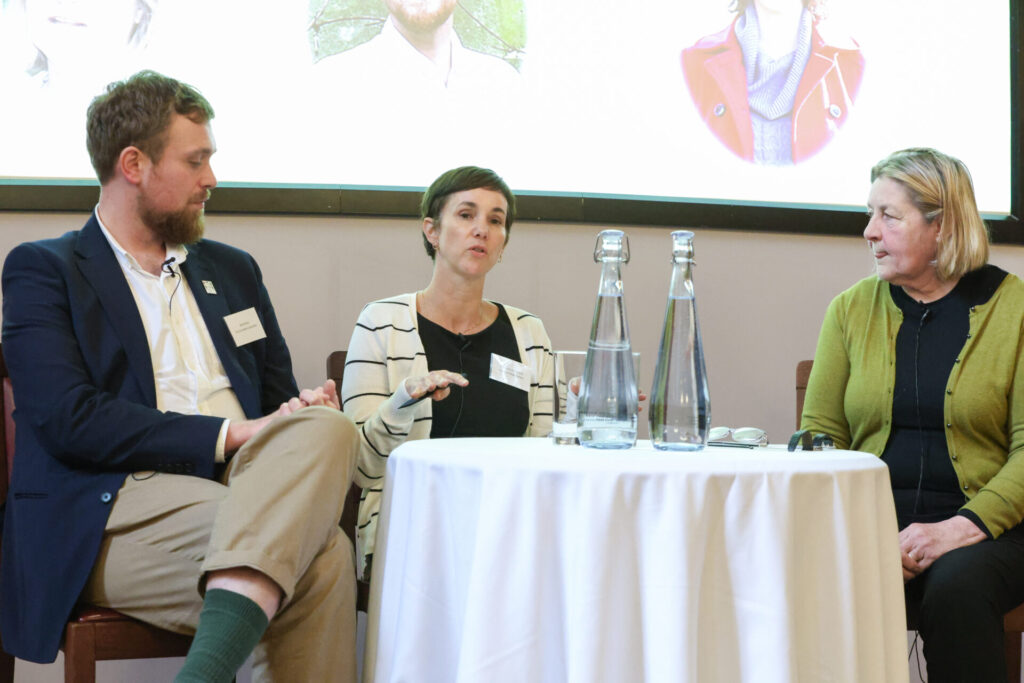
Four expert panels discussed critical areas of focus for London’s climate future:
- Energy: Achieving net-zero by electrifying energy systems, exploring hydrogen as an alternative fuel and scaling up low-carbon technologies. Energy resilience is paramount for London’s future, with an estimated £100bn needed for transition.
- Water: The risk of water stress in London is increasing, with practical solutions such as urban drainage systems, blue roofs and more effective water management required to address this “wicked problem.”
- Biodiversity: Protecting London’s green spaces and ensuring a future-proof city canopy is vital in mitigating the effects of extreme weather. Urban heat islands are becoming more pronounced and biodiversity loss is accelerating due to climate change.
- Skills: Developing a skilled workforce to address these challenges is essential, particularly in emerging green technologies. Partnerships with schools, charities and SMEs can provide the training needed for a sustainable future.
There was a presentation by Walsall Academy, which has created a biodiversity garden and advocated for solar panels on their roof, championing the role of schools in creating climate action plans and encouraging future generations to engage with climate action.
At the LCAG Conference, attendees heard from various sectors about how they are responding to climate change. The Livery Companies, which represent a vast network of individuals, businesses and institutions across London, are uniquely positioned to drive forward tangible change. Through shared resources, expertise and a commitment to sustainability, the Livery community can help create the kind of collaborative environment that will help change to happen across London and beyond.
As LCAG plans its strategy for the coming years, it’s clear that its focus will continue to be on fostering cooperation among the Livery Companies, schools and the wider community. From sharing resources and knowledge to driving more ambitious climate action goals, there is a clear need for every sector to work together to create a resilient, low-carbon future.
By embracing innovation, supporting the next generation of climate leaders and reinforcing the need for sustainability across the city, we can begin to think of ourselves as part of a vast, interconnected network working towards a common goal.
Read more about this years conference here
LCAG Conference Newsletter 2024