LONDON’S FIRST ANNUAL POLLINATOR COUNT AIMS TO HALT DECLINE OF NATIVE SPECIES
Public invited to join Lord Mayor in capital’s first annual pollinator count on 1st July 2024
Today PLT is hosting our first ever city-wide pollinator count, a day dedicated to recording and observing insects that pollinate our plants, including bees, butterflies and moths. Naturalists, city workers and schoolchildren will be taking part in what is expected to become an annual highlight of the capital’s ecological calendar.
Our 2023 habitats survey [1] found that honeybees currently account for 57% of all pollinating insects in the City of London, despite being only one of 270 species of bees in the UK. However, we believe the situation is now ‘unsustainable’ with inadequate food sources to support the number of beehives. Other species of native pollinators, such as butterflies, are in decline, accounting for less than one percent of all those recorded.
Dr Konstantinos Tsiolis, Pollinator Ecologist at PLT, and author of the 2023 report, said the situation was a result of people not fully understanding the impact on biodiversity, despite having the best intentions:
“Most people associate bee decline with honeybees, as it’s often the only bee they know. Consequently, some gardeners and businesses assume they can help bees by introducing a beehive to their garden or rooftop, but this has resulted in large honeybee colonies in urban areas, which are unsustainable.”
Dr Tsiolis called on more people to get involved with the survey, adding:
“Honeybees are not in decline anywhere in the world – neither globally nor in the UK. But our wild bees are – due to habitat loss, climate change, the use of pesticides and loss of flower meadows. We need a diversity of bee species and other pollinators such as butterflies, beetles, and wasps, to be truly sustainable, so the more people who join the pollinator count, the more accurate the picture we’ll have of what’s happening.
“At the same time, we need our political leaders – whatever party they might be after Thursday – to commit to doing much more to protect our natural environment and for the new government to make enhancing biodiversity a key political priority”.
The Annual Pollinator Count is being supported by the Lord Mayor, the Rt Hon. Alderman Professor Michael Mainelli, who will be launching the day at Cannon Street roof garden, one of several open spaces in the city where our citizen scientists will be logging the number and variety of visiting pollinators.
The Lord Mayor said:
“It is my great pleasure to support Pollinating London Together’s Annual Pollinator Count as part of the experiment series in my mayoral theme, Connect to Prosper. This vital initiative not only helps protect our precious pollinators but also fosters a greener, more sustainable London for the future generations.”
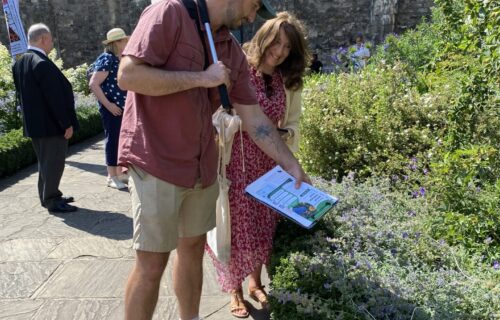
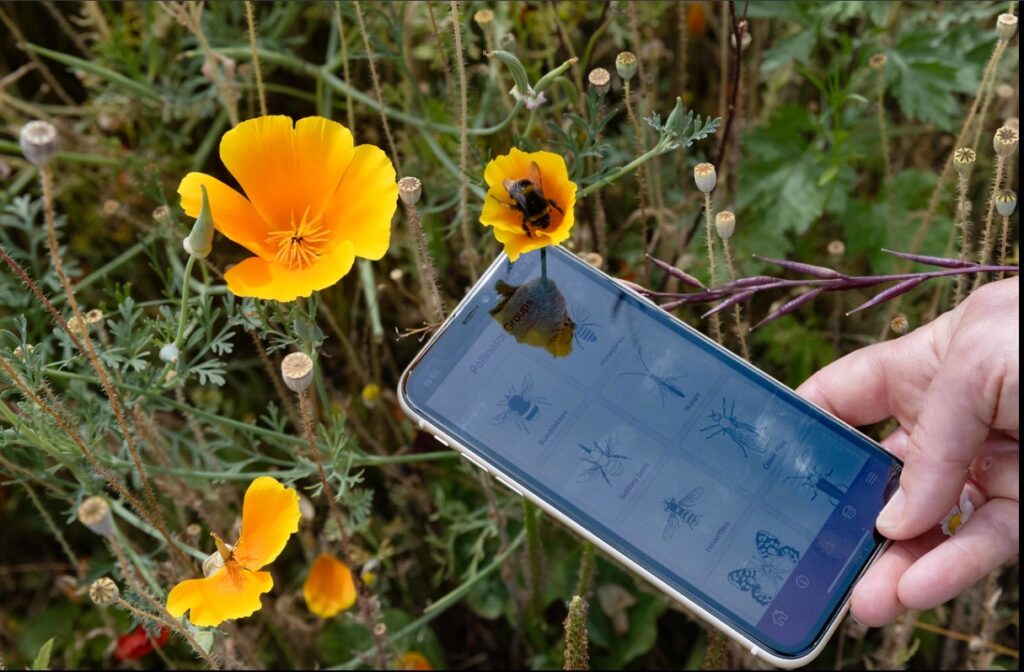
Members of the public can participate by downloading the FIT Count app, visiting any garden or green space in London, and selecting ‘Pollinating London Together’ when asked to start a survey. They can then complete the survey, recording any pollinators they see in gardens or public spaces across the capital.
Our team members are managing surveys at:
- 11:45am – 2pm: Tower of London moat, Tower of London, EC3N 4AB
- 10am – 4pm: Christchurch Greyfriars Church Garden, King Edward Street, London, EC1A 7BA
- 10am – 4pm: St Paul’s Festival Garden, St Paul’s Churchyard, London, EC4M 8AD
- 12.30pm – 1.30pm: Inner Temple Garden, Temple, London, EC4Y 7HB
The Lord Mayor is attending a survey at Canon Street Roof Garden, 25 Cannon Street, EC4M 9AF from 3.15pm.